From Start to Finish
Starting from the ground up, I will generally begin by gathering data to strategize Information Architecture hierarchy. Ideally I will partner with a project’s Integration Engineer and Backend Engineers to understand the structure of the program: what functions are ‘in-app’ and what functions are reliant on API integrations, etc…
I use various diagramming software to map out UX architecture; Lucid Board, Miro, and Visio are some examples. These programs are also useful for migrating to the next step; building UX Workflows.
I partner with Engineering and Product to review initial Workflows and convert them into Wireframe layouts. This is generally when I ensure that QA / Testing are also included in the iteration process.
Depending on the project needs, wireframes are converted into high-fidelity mockups or are elaborated into dynamic Prototypes. I am comfortable accomplishing these steps with most industry-standard design programs like Illustrator, XD, Figma, Sketch, InVision, etc…
User Testing is another UX Discipline hat I have experience in. I would describe this category as need-specific. There are various styles of User Testing, all with different goals, and all with different optimal positions within a development roadmap. For example, an unreleased product might benefit from ‘blind’ user testing sessions in which participants are observed navigating new UI for the very first time. Likewise, established services might benefit from collecting various analytics related daily product use.
Establishing a Single Source Of Truth via Documentation is my favorite aspect of the UX Discipline. Codifying and demystifying design standards is essential for establishing a mature UX department.
There are many UX Skills that fall within the realm of Documentation; Establishing User Profiles, codifying Style Guides for cohesive future projects, defining UX Standards so that all designers follow the same methodology, partnering with Development to build UX guided Reusable Components, etc….
Examples of Design Development Steps
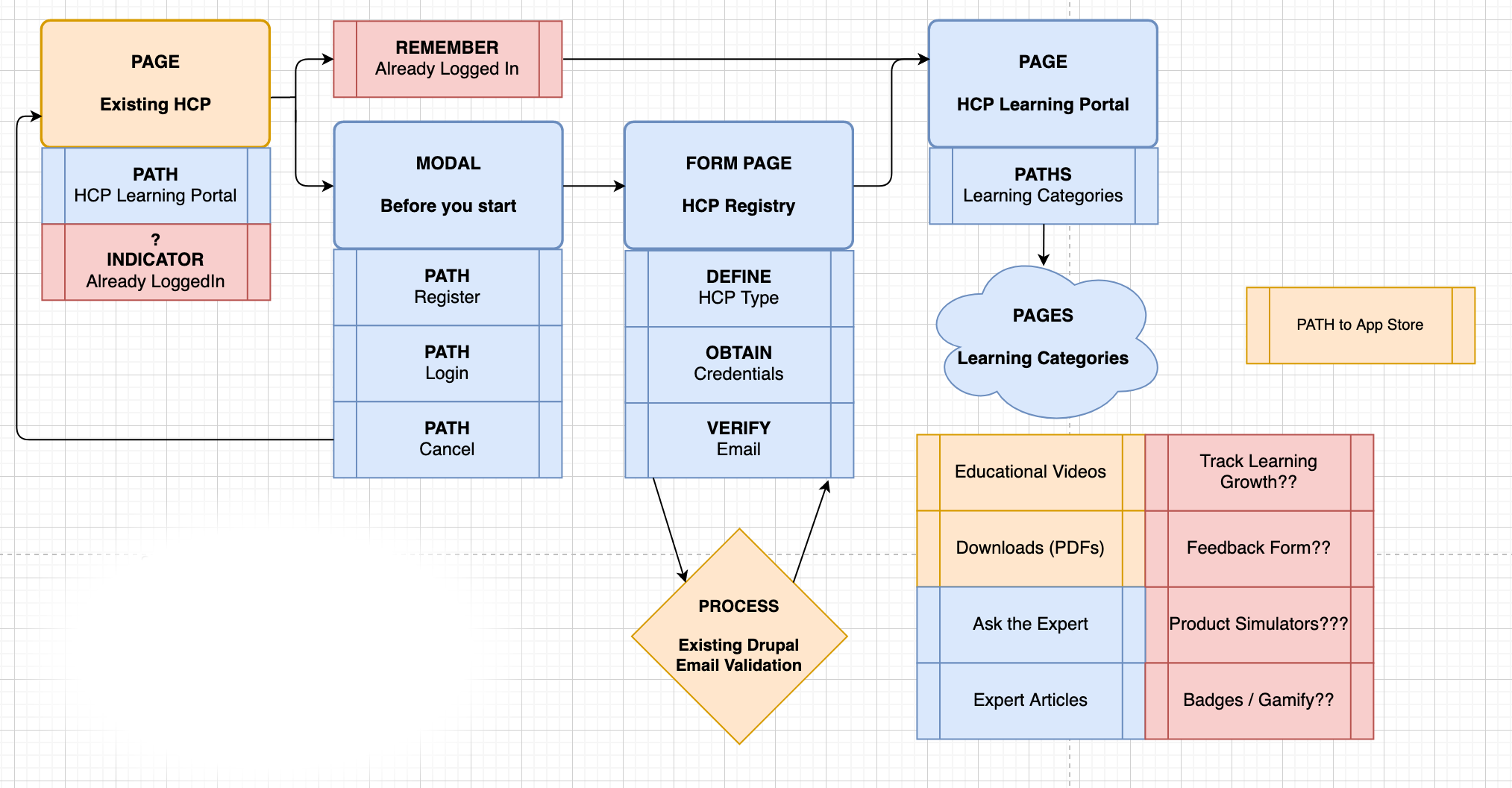
Information Architecture Map for a Healthcare Provider Portal
Diagram map of a new Omnipod Healthcare Provider Portal. This was built in Lucidchart over several team meetings with the input of the PO, Lead Dev, and Integration. I established a simple color coding system within the diagram to help clarify Requirements: Red = Anticipated content that was missing details or requirements. Blue = New Anticipated Structure and Content. Orange = Existing Structure and Content
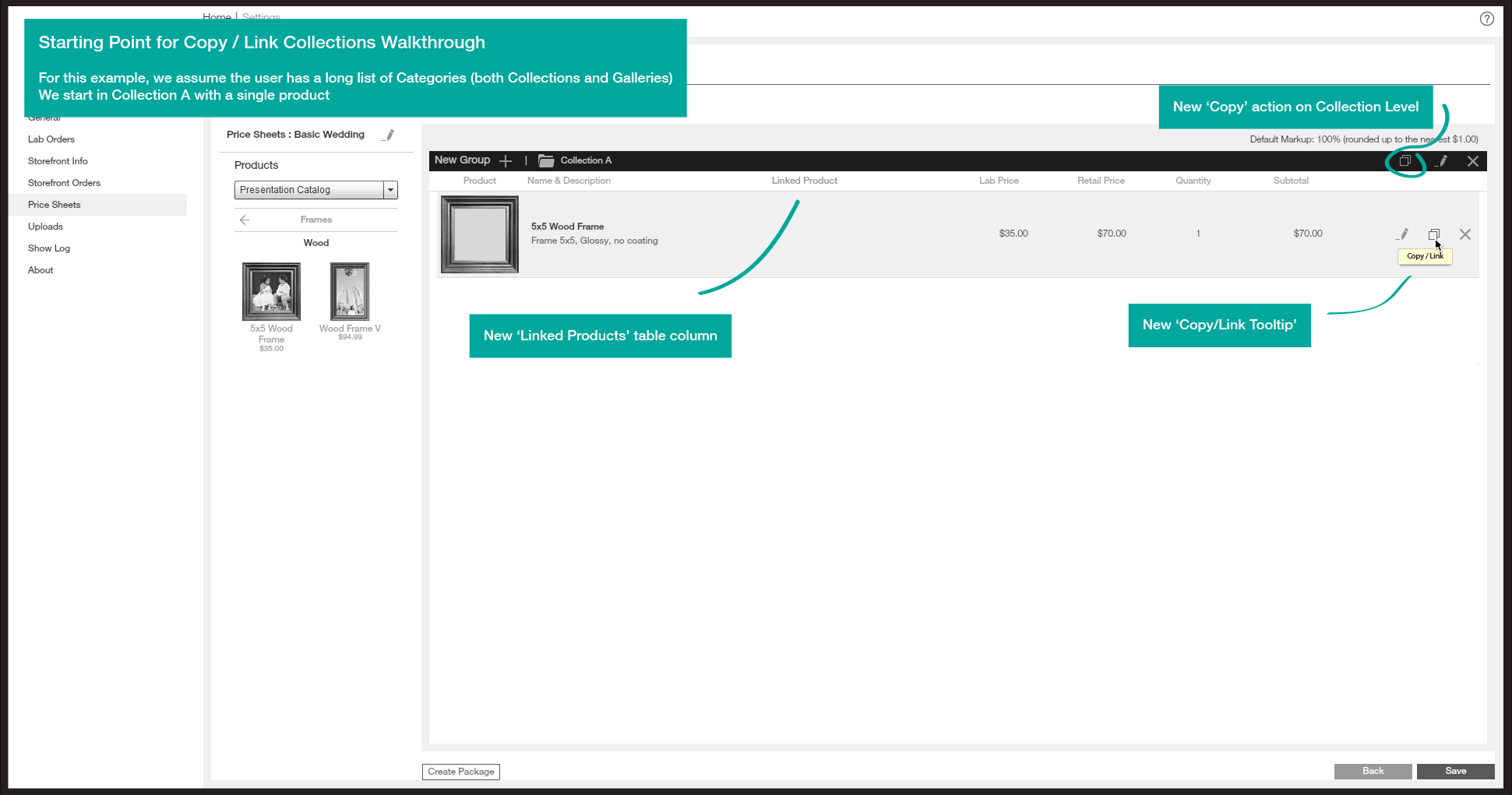
Transitional Wireframe from the KC2 project in 2017
This was an existing product that did not have any established modular design components. I would often take screenshots of existing KC2 UI and then notate any recommended design changes. I found it helpful to apply a grayscale filter to the wireframe as a way of emphasizing the iterative nature of the image.
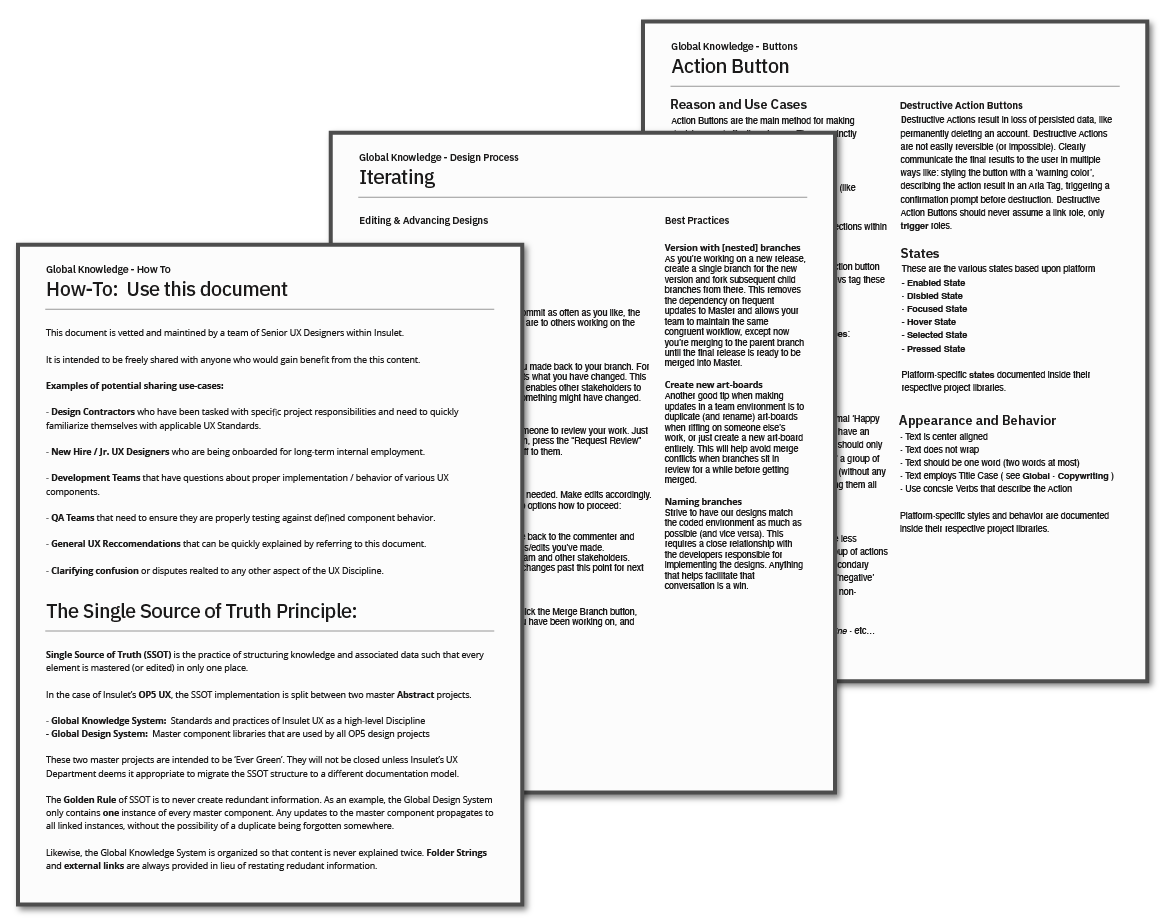
Example of a Single Source of Truth / SSOT Document
This particular client, Insulet, had unique security concerns that barred me from establishing their document in a live Wiki (such as Confluence). Instead, I found ways to fold the document system into Sketch by building reusable Art Board page templates.
 HEADWRIGHT